
Desire and Detachment
The Mystery of The Invisible DogThe characters’ conflicting attitudes toward wealth, art, spiritual freedom, and responsibility complicate the apparent moral opposition between collector and mystic.
increasing Bearing strength in each event
 decreasing
Bearing strength in each eventdecreasingA Collector’s World

A Collector’s World
Beauty gathered
Fenton Prentice surrounds himself with paintings, porcelain, and carefully chosen furnishings. He values beautiful things and treats his home as a private refuge.
An easy judgment
Sonny Elmquist later criticizes Prentice as attached to possessions. The story gives that criticism a visible basis without making collecting itself a crime.
The Renunciation Speech

The Renunciation Speech
Desire as a problem
Elmquist says wanting things causes trouble and calls the world an illusion. He hopes meditation will help him become detached from ordinary ambition.
Ideals under strain
His wish for a personal Mandala and a costly journey complicates his claim to want nothing. The contradiction makes his philosophy human rather than a settled answer.
The Value of the Hound
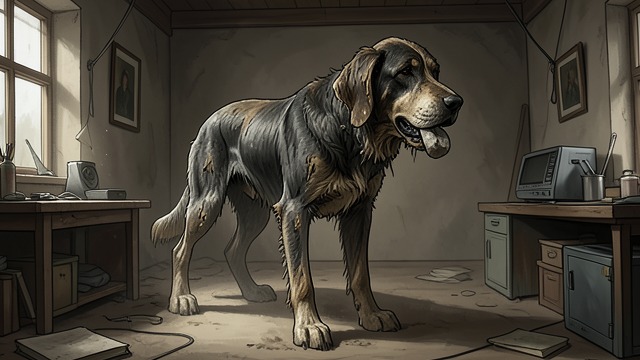
The Value of the Hound
Beyond the price
Prentice compares the lost Hound to a masterpiece because it cannot be replaced. Its value lies in Edward Niedland’s singular work and their friendship.
Possession and memory
The sculpture is an owned object, but its significance exceeds ownership. The case questions whether value comes from monetary exchange, personal history, or artistic creation.
Money as Desperation
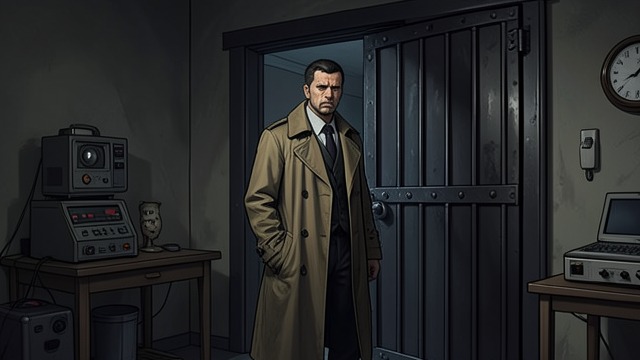
Money as Desperation
A corrupted obligation
John Murphy needs money because he has lost funds taken from Harley Johnson’s account. His pursuit of the ransom is driven by fear of exposure.
A moral distinction
The story does not equate Prentice’s care for art with Murphy’s greed. Murphy’s harm comes from treating another person’s entrusted money as a resource for himself.
A Quoted Warning
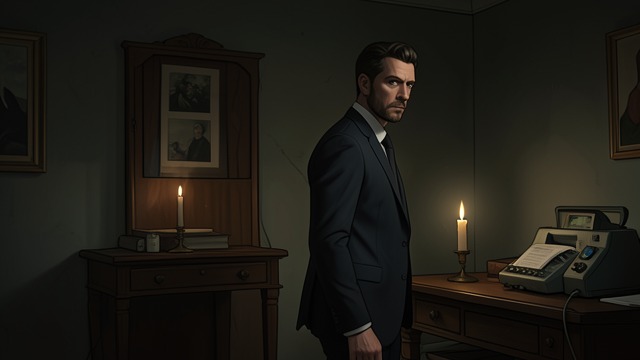
A Quoted Warning
A familiar principle
Bob Andrews cites the saying that the love of money is the root of all evil. Jupiter Jones agrees that many traditions caution against excessive attachment to wealth.
A qualified theme
The crimes support the warning, but the story also honors artistic care and family loyalty. The danger is not valuing things; it is letting desire override responsibility.
The first visit to Prentice’s apartment
The afternoon by the courtyard pool
The morning after the sculpture is stolen
When Murphy’s motive is disclosed
After the first night of questioning
